Murillo Square
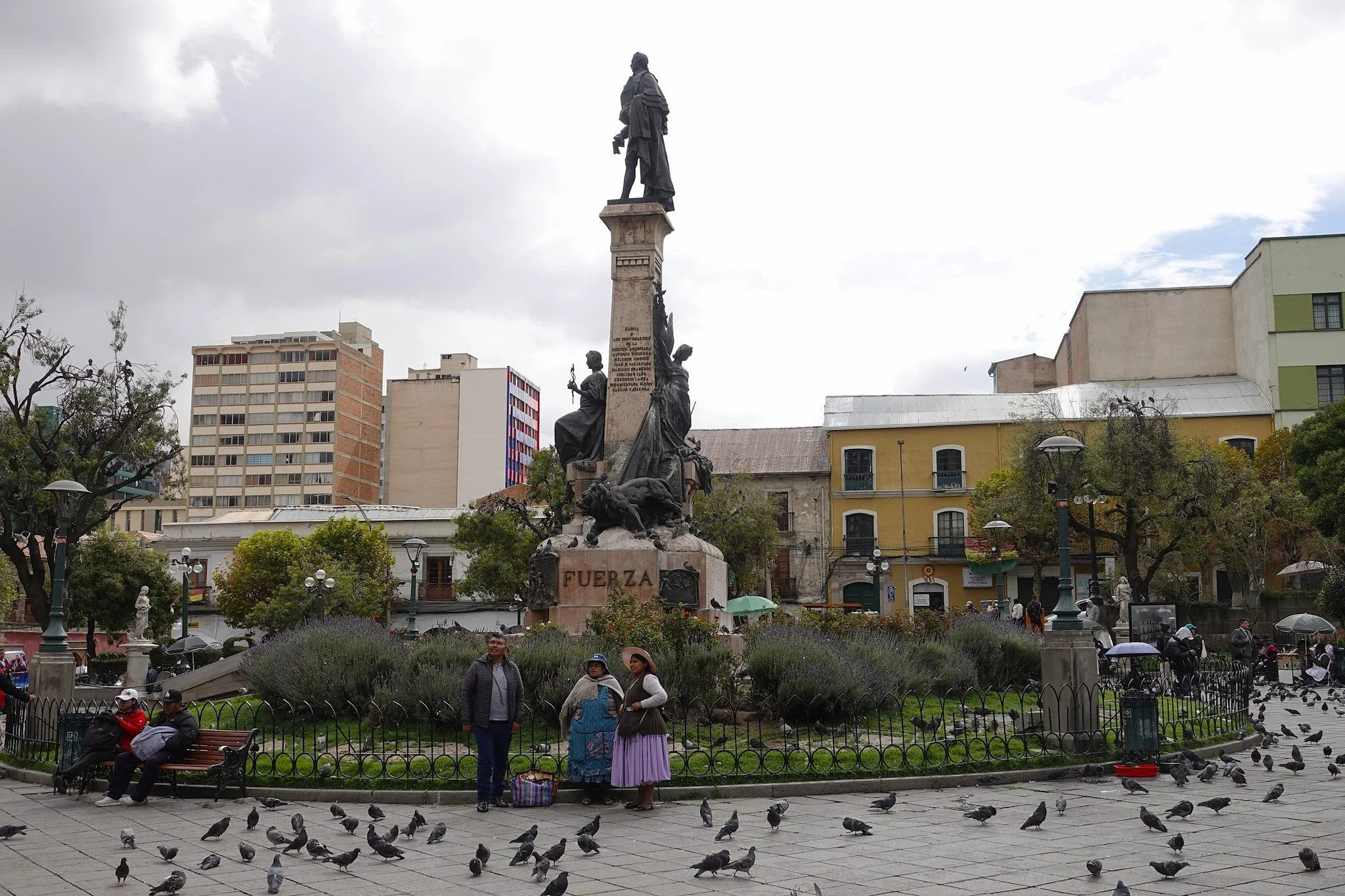
Plaza de Murillo or Murillo Square is both the historical and the political heart of the city of La Paz. It was named for Pedro Domingo Murillo who was a key figure in Bolivia's independence movement. The square was busy when we were there, but we saw more pigeons than people, by far. The square contains many of the La Paz landmark buildings. Unfortunately, many ladies were selling pigeon food.
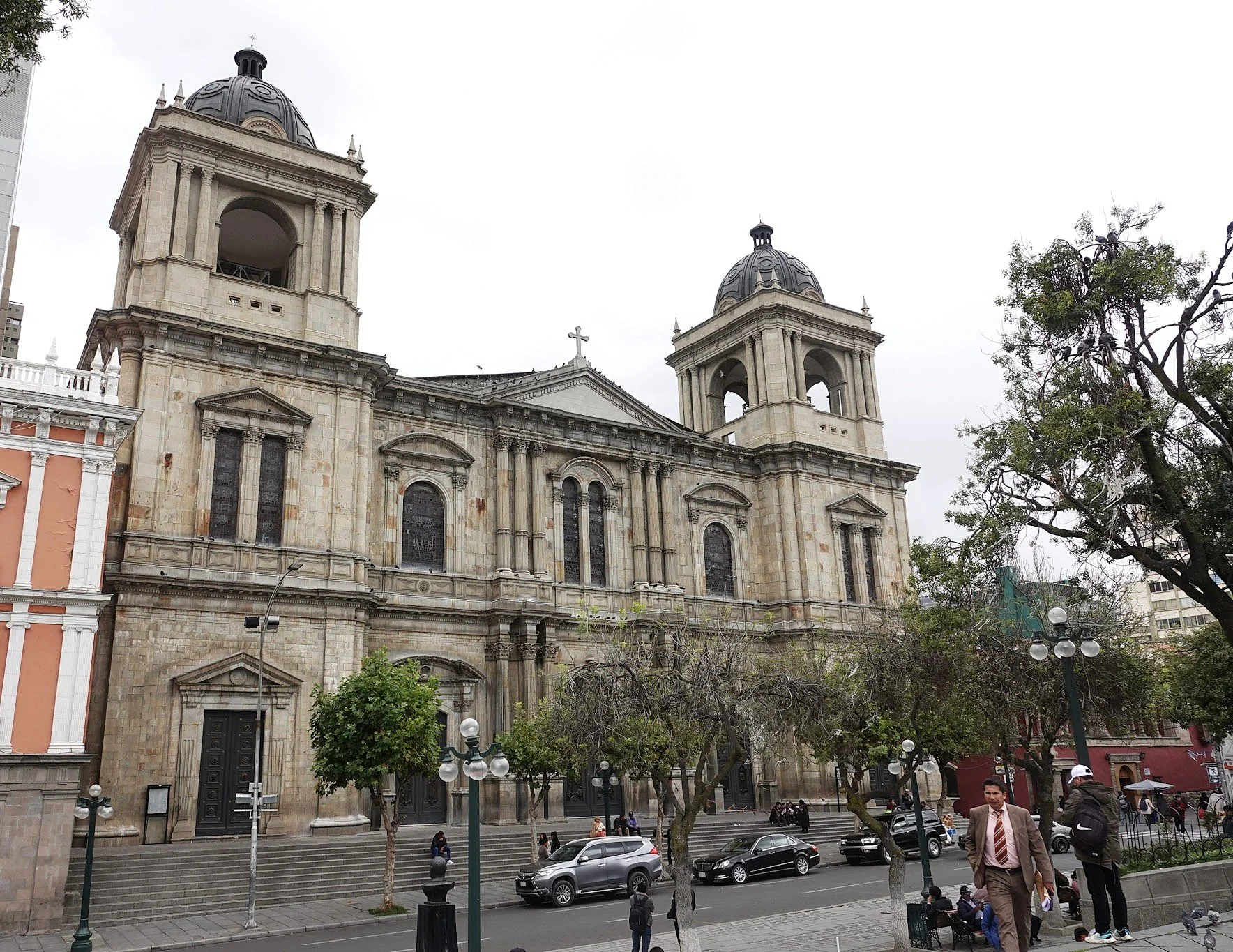
First is the Metropolitan Cathedral of Our Lady of Peace. Construction began in 1622 but took 70 years to complete. It was originally stone and brick, but cracks started to appear in 1831, and they ended up demolishing the building. The current cathedral started in 1835 and was officially opened in 1925 but still needed work to be finished. The final work was not done until 1989 when there was a push for it, due to an upcoming visit by Pope John Paul II.
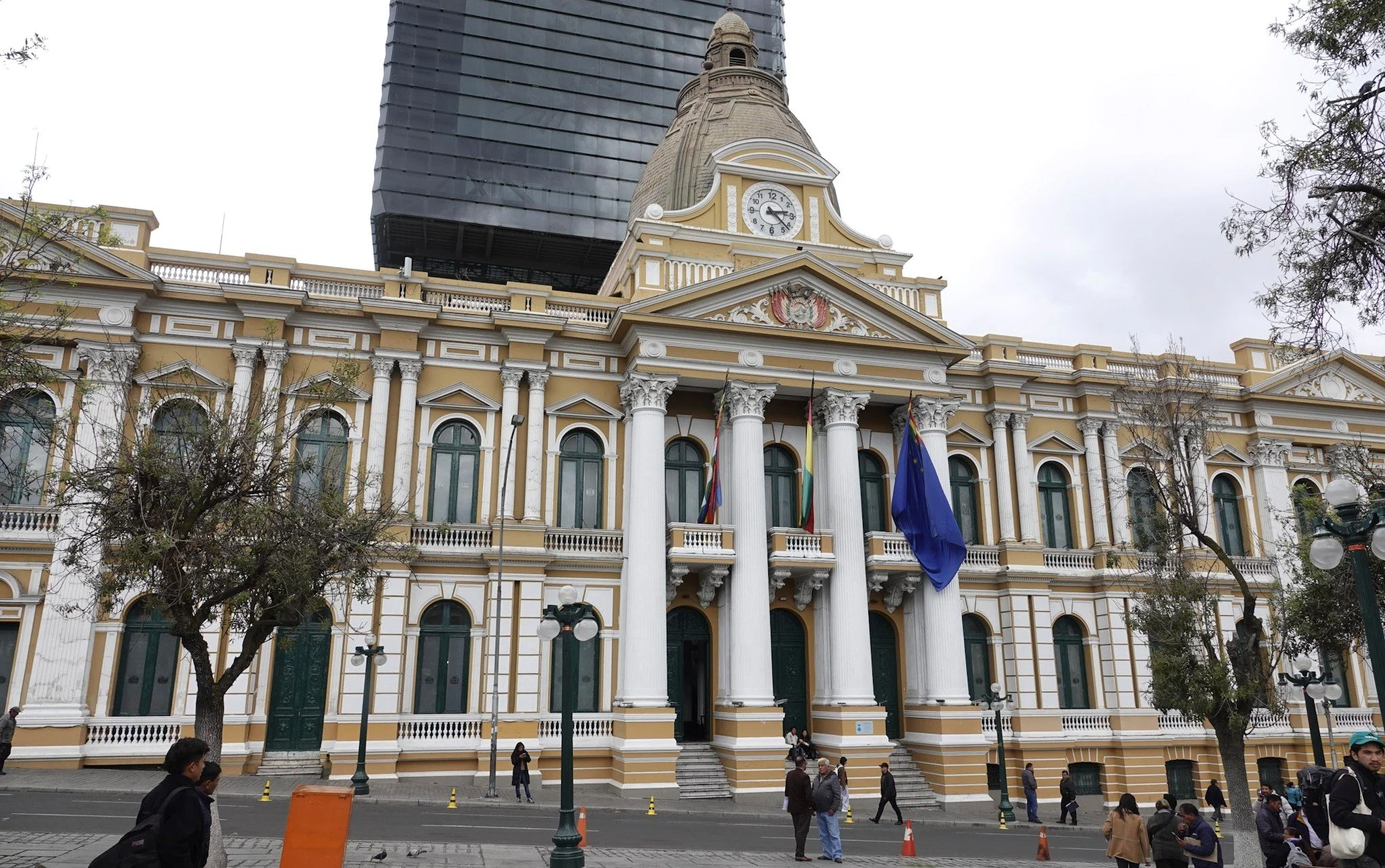
Next is the Plurinational Legislative Assembly building. This is where national laws are debated and created. You can also notice the Casa Grande del Pueblo building right behind it. The tall glass tower seems to conflict with the colonial buildings, but there you go.
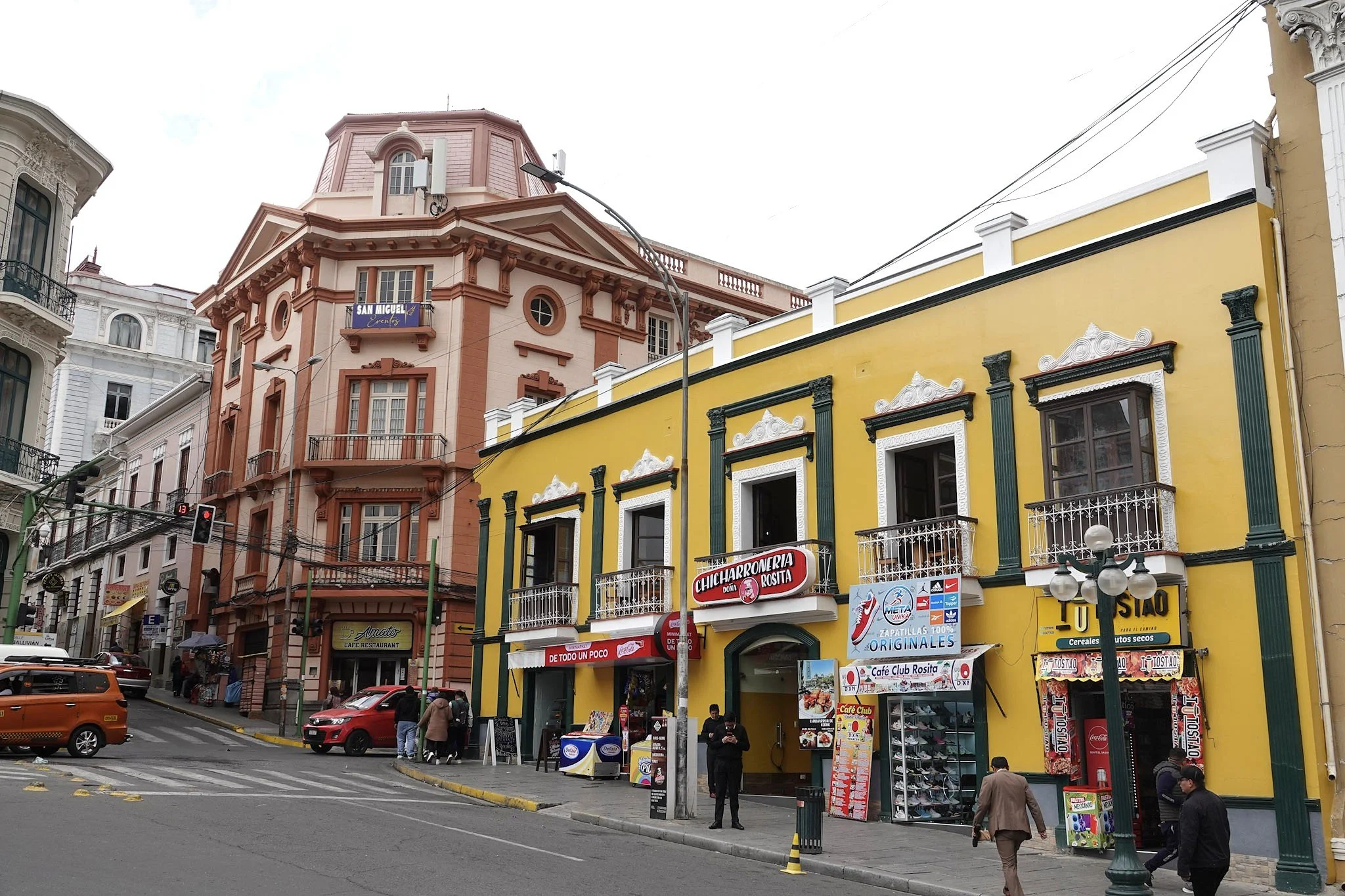
The corner buildings in the square are, according to our local guide, the oldest buildings in Bolivia so they go back to the Spanish times.
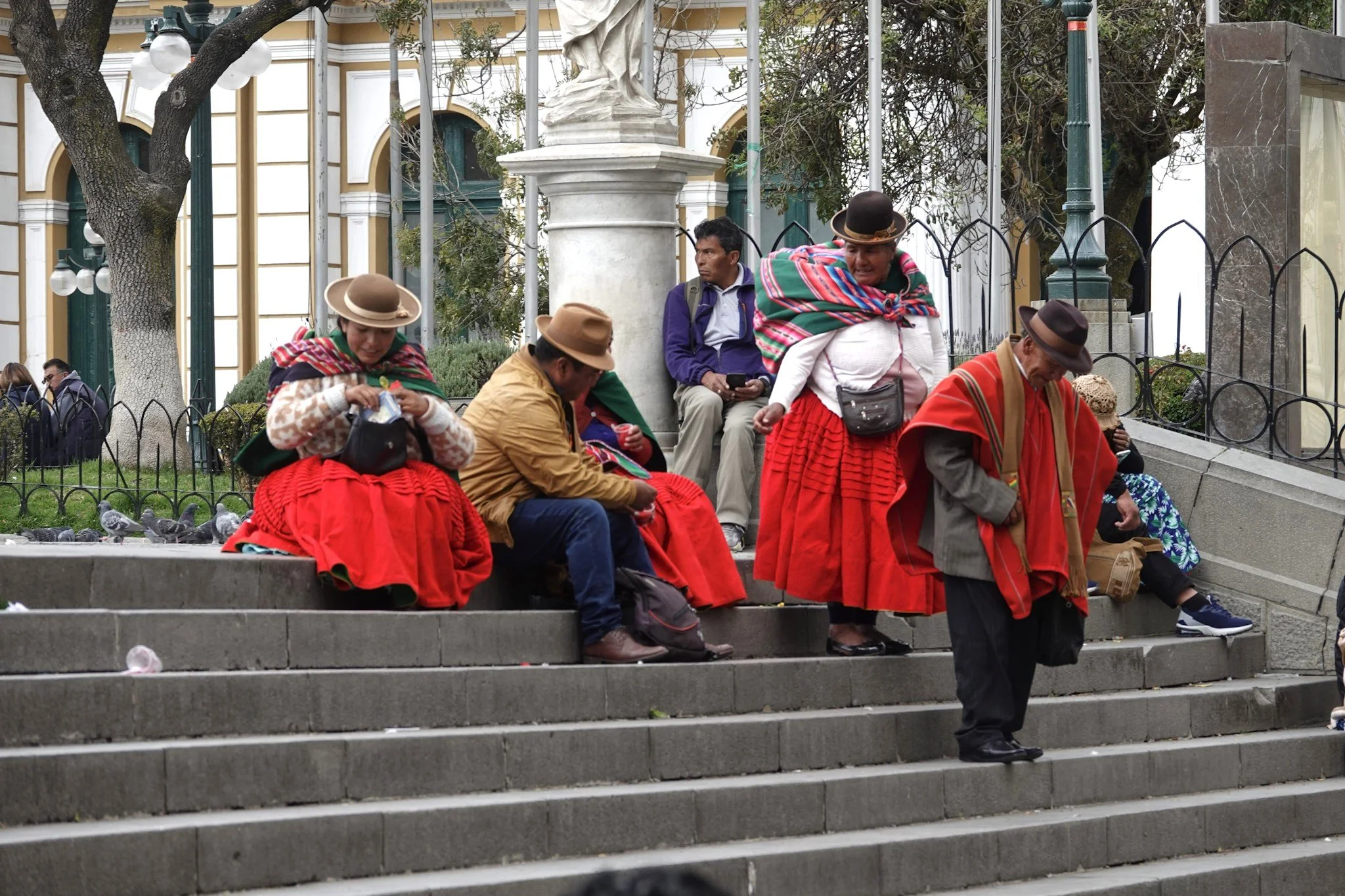
Some of the locals stood out more than others.
The central monument in the square has a statue of Pedro Domingo Murillo. The central square is a nice place to sit and observe life in La Paz...but the pigeons!
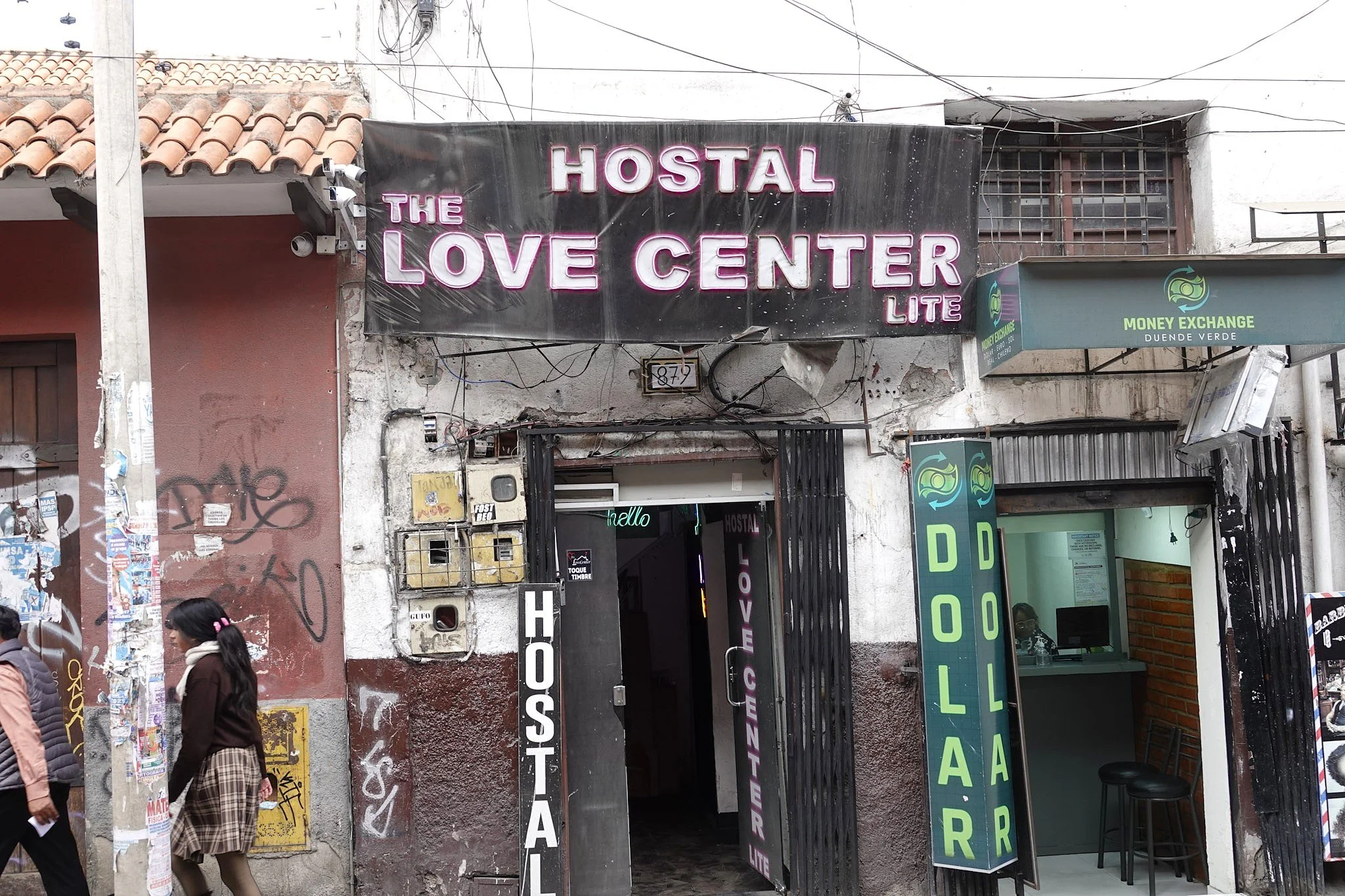
Bolivia has lots of youth hostels. We saw them everywhere we went. They give cheap lodging for young travelers. Based on the sign on the one below, near the main square, I'm not sure what else they provide.